
Smart Home Improvements That Make Everyday Living Better
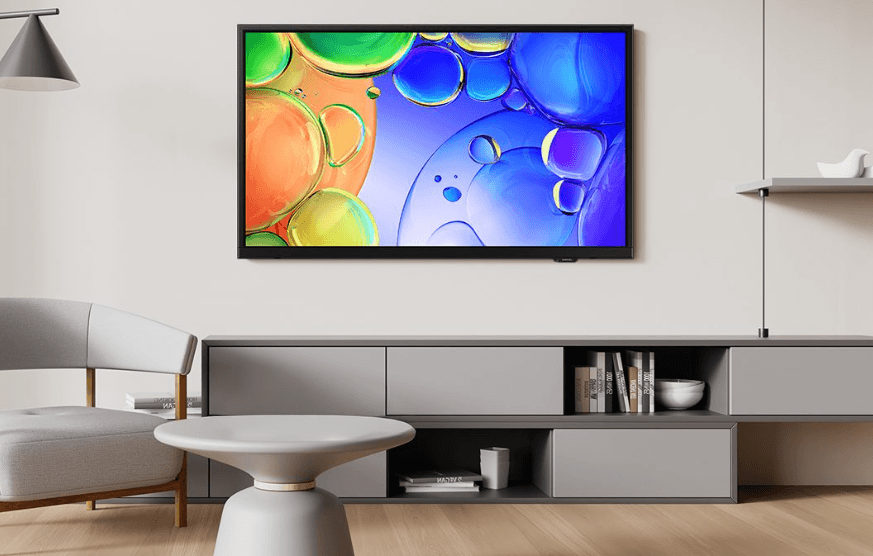
Home improvement is not always about expensive renovations or major construction projects. Sometimes, the most meaningful changes come from improving the way a home functions. A better layout, improved lighting, smarter storage, and small upgrades can make everyday life more comfortable while giving a home a fresh appearance.
Begin With How You Use Your Home
Before starting any improvement project, consider how each room is actually used. A beautiful room may still feel inconvenient if furniture blocks movement or important items are difficult to reach.
Walk through the house and identify areas that create unnecessary problems. Perhaps the entryway becomes cluttered, the kitchen lacks storage, or a bedroom needs better lighting. Focusing on these practical issues can make improvements more valuable than simply following decoration trends.
Improve Storage Without Losing Style
Storage is one of the most useful areas to address during a home improvement project. Clutter can make even a spacious room feel crowded.
Instead of adding large cabinets everywhere, consider using vertical space, built-in shelving, under-bed storage, wall-mounted organizers, and multipurpose furniture. These solutions can keep everyday items accessible while maintaining a cleaner appearance.
Well-planned storage also makes cleaning easier and helps rooms feel more organized.
Rethink Your Lighting
Lighting can dramatically change the atmosphere of a home. A room with only one strong light source may feel harsh, while a combination of different lighting levels can create a more comfortable environment.
Consider using ceiling lights for general illumination, task lighting for activities such as reading or cooking, and softer accent lighting for decorative areas.
Natural light should also be used whenever possible. Keeping windows unobstructed and choosing suitable curtains can help brighten interior spaces during the day.
See also: grammarvista.com || grammarvista.com usa
Upgrade High-Use Areas First
Not every part of a home needs to be renovated at the same time. A more practical strategy is to prioritize rooms and features that receive the most daily use.
Kitchen fixtures, bathroom fittings, flooring in busy areas, entryways, and frequently used storage spaces can often provide noticeable improvements. Upgrading these areas first can make the home feel better without requiring a complete renovation.
Make the Home More Energy Efficient
Home improvement can also focus on efficiency. Simple upgrades such as improving insulation, sealing drafts, maintaining heating and cooling systems, and using energy-efficient lighting can help reduce unnecessary energy use.
Windows and doors deserve particular attention because gaps and poor sealing can affect indoor comfort. Depending on the property and climate, targeted improvements may make rooms easier to keep comfortable throughout the year.
Refresh Walls Without Major Renovation
Changing wall finishes can give a room an entirely different personality. A new paint color can make a space appear brighter, warmer, larger, or more modern.
For homeowners who want something more distinctive, a single accent wall, textured finish, decorative panels, or carefully selected wallpaper can add character without changing the entire room.
The key is to choose finishes that work with existing furniture and the overall style of the home.
Improve Outdoor Spaces
Home improvement should not stop at the front door. Balconies, patios, gardens, and small outdoor areas can become useful extensions of the living space.
Comfortable seating, outdoor lighting, plants, privacy features, and weather-resistant storage can transform an unused area into a place for relaxing or entertaining.
Even a small balcony can feel more inviting when it is organized around a clear purpose.
Choose Improvements With Long-Term Value
The best home improvements combine appearance, comfort, and practicality. Before spending money on a project, consider how long the upgrade is likely to remain useful and whether it will require significant maintenance.
Durable materials, timeless designs, functional layouts, and quality workmanship often provide greater long-term value than changes based entirely on short-lived trends.
Conclusion
A successful home improvement project does not necessarily require a large budget. The most effective upgrades often begin by understanding what is not working and finding practical ways to improve it.
Better storage, thoughtful lighting, efficient spaces, refreshed surfaces, and improved outdoor areas can make a home more comfortable and enjoyable. By prioritizing function alongside appearance, homeowners can create spaces that look better and work better for everyday life.
One Comment