
Traveling With Purpose: How to Make Every Journey More Meaningful
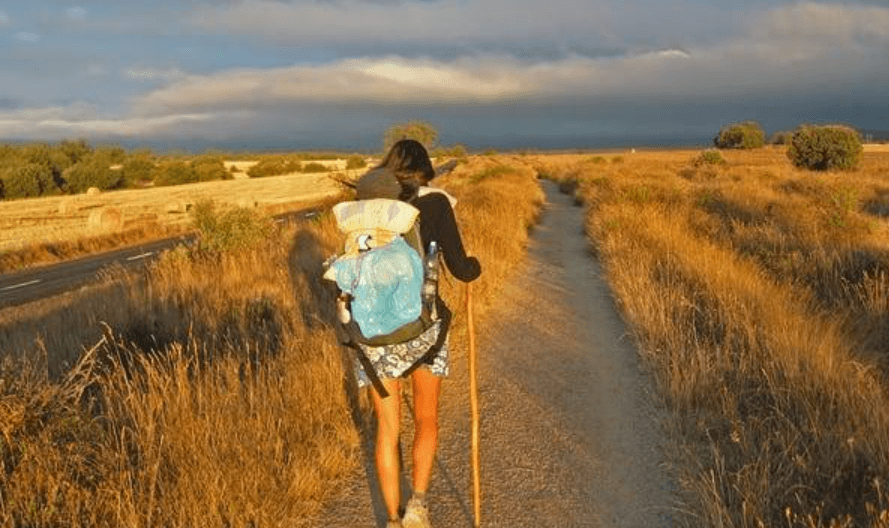
Travel is often described as a way to escape routine, but a journey can offer much more than a temporary break. Traveling provides opportunities to discover unfamiliar places, experience different cultures, meet new people, and see everyday life from a different perspective.
A meaningful trip does not necessarily require a huge budget or a long itinerary. Sometimes, the most memorable journeys come from slowing down and paying attention to the places we visit.
Choose a Trip That Matches Your Interests
Every traveler has different expectations. Some people enjoy historic locations, while others prefer nature, food, architecture, shopping, or outdoor adventures.
Instead of choosing a destination simply because it is popular, consider what you genuinely enjoy. A destination that matches your interests can create a more rewarding experience and reduce the pressure to visit every famous attraction.
Personal interests should be at the center of travel planning.
Leave Space for Exploration
A detailed itinerary can be helpful, but filling every hour of a trip can make travel exhausting. Leaving some free time allows travelers to explore places they discover along the way.
A quiet street, local market, small café, public park, or neighborhood restaurant may become one of the highlights of a journey.
Not every memorable travel experience appears in a guidebook.
Experience Local Culture
One of the greatest benefits of traveling is the opportunity to experience different ways of life. Local food, traditions, architecture, music, crafts, and community events can provide insight into the character of a destination.
Travelers should approach unfamiliar customs with curiosity and respect. Learning a few common phrases in the local language can also make interactions more enjoyable and show appreciation for the community.
See also: grammarvista.com || grammarvista.com usa
Travel More Responsibly
Responsible travel is becoming increasingly important as popular destinations receive large numbers of visitors.
Travelers can make a positive difference by respecting local rules, avoiding unnecessary waste, supporting local businesses, and treating cultural and natural sites carefully.
Choosing locally owned restaurants, guides, shops, and accommodations can also help tourism contribute more directly to the communities being visited.
Focus on Experiences Instead of Checklists
It is easy to measure a trip by the number of attractions visited or photographs taken. However, travel is not a competition.
Spending an afternoon learning about local history, sharing a meal with friends, watching a sunset, or walking through an unfamiliar neighborhood may create stronger memories than rushing between multiple attractions.
The quality of an experience often matters more than the number of places checked off a list.
Prepare Without Overplanning
Good preparation can make a journey smoother. Checking transportation options, accommodation details, weather conditions, local customs, required documents, and important opening hours can prevent avoidable problems.
At the same time, travelers should accept that unexpected situations are part of the experience.
A delayed train, changed plan, or unexpected discovery does not always have to ruin a trip. Flexibility can turn an inconvenience into an interesting story.
Keep Travel Memories Alive
Photographs are a popular way to remember journeys, but memories can also be preserved through journals, postcards, short videos, collected maps, or notes about favorite experiences.
Writing down impressions during a trip can help travelers remember small details that photographs may not capture.
These memories can also inspire future journeys and encourage people to explore places they might otherwise overlook.
Return With Something More Than Souvenirs
The most valuable thing a traveler can bring home is often a new perspective.
Seeing different lifestyles can encourage people to reconsider their own routines. Meeting people from different backgrounds can broaden understanding, while navigating unfamiliar environments can build confidence and independence.
Travel becomes especially meaningful when its lessons continue after the journey ends.
Conclusion
Meaningful travel is not about visiting the greatest number of destinations or spending the most money. It is about being present, staying curious, respecting local communities, and allowing yourself to experience a place beyond its most famous attractions.
By choosing destinations that match personal interests, leaving room for discovery, and traveling responsibly, every journey can become more than a vacation. It can become an opportunity to learn, reflect, and create memories that remain valuable long after returning home.
One Comment